
"Kenyan coffee farm"
1000 article(s) found
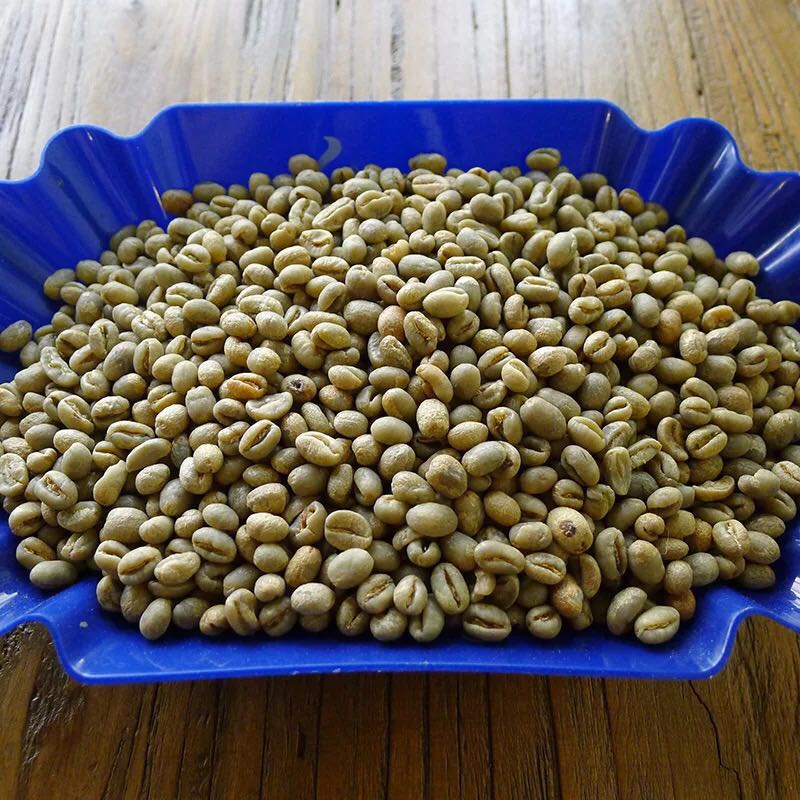
Kenyan coffee taste Kenyan coffee bean price Kenyan coffee taste coffee bean origin
The Kenyan government takes the coffee industry very seriously, where it is illegal to cut down or destroy coffee trees. Kenyan coffee buyers are world-class high-quality coffee buyers, and no other country can grow, produce and sell coffee on a continuous basis like Kenya. All the coffee beans were first acquired by the Kenya Coffee Commission (CoffeeBoardofKenya, CBK).

Description of Coffee Bean Flavor in Jinchu Valley, Kenya
There are two types of coffee farms in Kenya, one is a large planting farm covering an area of more than five acres, but the average elevation is low, as far as Kenyan coffee is concerned, the coffee bean quality of the big farm is only medium. The best Kenyan beans come from small farms, mostly in the foothills or fire above 5,000 to 6,000 feet.

Introduction to the flavor and taste characteristics of Kenyan coffee manor with bright fruit flavor
The Kenyan government takes the coffee industry very seriously, where it is illegal to cut down or destroy coffee trees. Kenyan coffee buyers are world-class high-quality coffee buyers, and no other country can grow, produce and sell coffee on a continuous basis like Kenya. All the coffee beans were first acquired by the Kenya Coffee Commission (CoffeeBoardofKenya, CBK).

Kenyan coffee beans with strong, sweet and mellow thickness introduce fine coffee.
Kenya is bordered to the north by Ethiopia, the origin of Arabica coffee trees, but it was not until the beginning of the 20th century that coffee cultivation began. In the 19th century, missionaries introduced Arabica trees from the leaves, but did not plant them in large quantities. It was not until 1893 that coffee was cultivated on a large scale because of the introduction of Brazil's ancient bourbon seeds. That is to say, Kenyan coffee is of Brazilian origin, because of water.

Coffee producing area with excellent characteristics-Berman Manor in Kenya
There are two types of coffee farms in Kenya. one is a large planting farm that covers an area of more than five acres, but the average elevation is low. In the case of Kenyan coffee, the coffee beans of the large farms are of medium quality. The best Kenya beans are produced in small farms, most of which are located in the foothills or volcanic slopes above 5,000 to 6,000 feet. Each small farmer has a capacity of only 20 to 70 bags per season and is unable to invest.

Kenyan Coffee Kenya GE Jiafen Manor introduces the flavor characteristics of Kenyan coffee
Professional coffee knowledge exchange more coffee bean information please follow the coffee workshop (Wechat official account cafe_style) Kenya is a model country for producing excellent coffee beans, Kenya produces high-altitude Arabica water-washed beans is one of the top coffee beans in the world, most coffee beans are graded by the Kenya Coffee Bureau and sold at auctions. Kenyan coffee

Characteristics of Kenyan Coffee Flavor description and treatment introduction of Fine Coffee beans in producing areas
Kenya is bordered to the north by Ethiopia, the origin of Arabica coffee trees, but it was not until the beginning of the 20th century that coffee cultivation began. In the 19th century, missionaries introduced Arabica trees from the leaves, but did not plant them in large quantities. It was not until 1893 that coffee was cultivated on a large scale because of the introduction of Brazil's ancient bourbon seeds. That is to say, Kenyan coffee is of Brazilian origin, because of water.

Introduction to the characteristics of the taste-rich Kenyan boutique coffee bean flavor manor
Don't underestimate the small farmers in Kenya, they are just like ants, and their overall production capacity is higher than that of large farms, about six to four, which is quite rare in bean-producing countries. Kenyan coffee is widely appreciated by connoisseurs, thanks in large part to small farmers guarding the foothills in order to grow high-quality coffee. In addition, Kenya beans must have a strict grading system, and the coffee beans taken out by the washing plant are large.

Kenyan coffee taste Kenyan coffee characteristics of Kenyan coffee introduction of Kenyan coffee
Kenya is bordered to the north by Ethiopia, the origin of Arabica coffee trees, but it was not until the beginning of the 20th century that coffee cultivation began. In the 19th century, missionaries introduced Arabica trees from the leaves, but did not plant them in large quantities. It was not until 1893 that coffee was cultivated on a large scale because of the introduction of Brazil's ancient bourbon seeds. That is to say, Kenyan coffee is of Brazilian origin, because of water.

A brief introduction to the variety treatment method of taste and flavor description of Kenyan coffee manor brand
Kenya Coffee Manor Brand Taste and Flavor description Variety treatment brief introduction Mugaya Manor has received assistance from its partner CMS Coffee Management Service. The long-term goal is to achieve the goal of increasing coffee production through training, input and year-round agricultural practice seminars for coffee farmers. Its vision is to create a transparent with small coffee farmers

Kenya Coffee production area introduces Berman Manor Kenya Coffee Bean Manor Kenya aa
There are two types of coffee farms in Kenya. One is a large plantation that covers an area of more than five acres, but the average elevation is low. In the case of Kenyan coffee, the coffee beans of the large farms are of medium quality. The best Kenyan beans come from small farms, most of which are located in the foothills or volcanic slopes above 5,000 to 6,000 feet. Each small farmer has a capacity of only 20 to 70 bags per season.
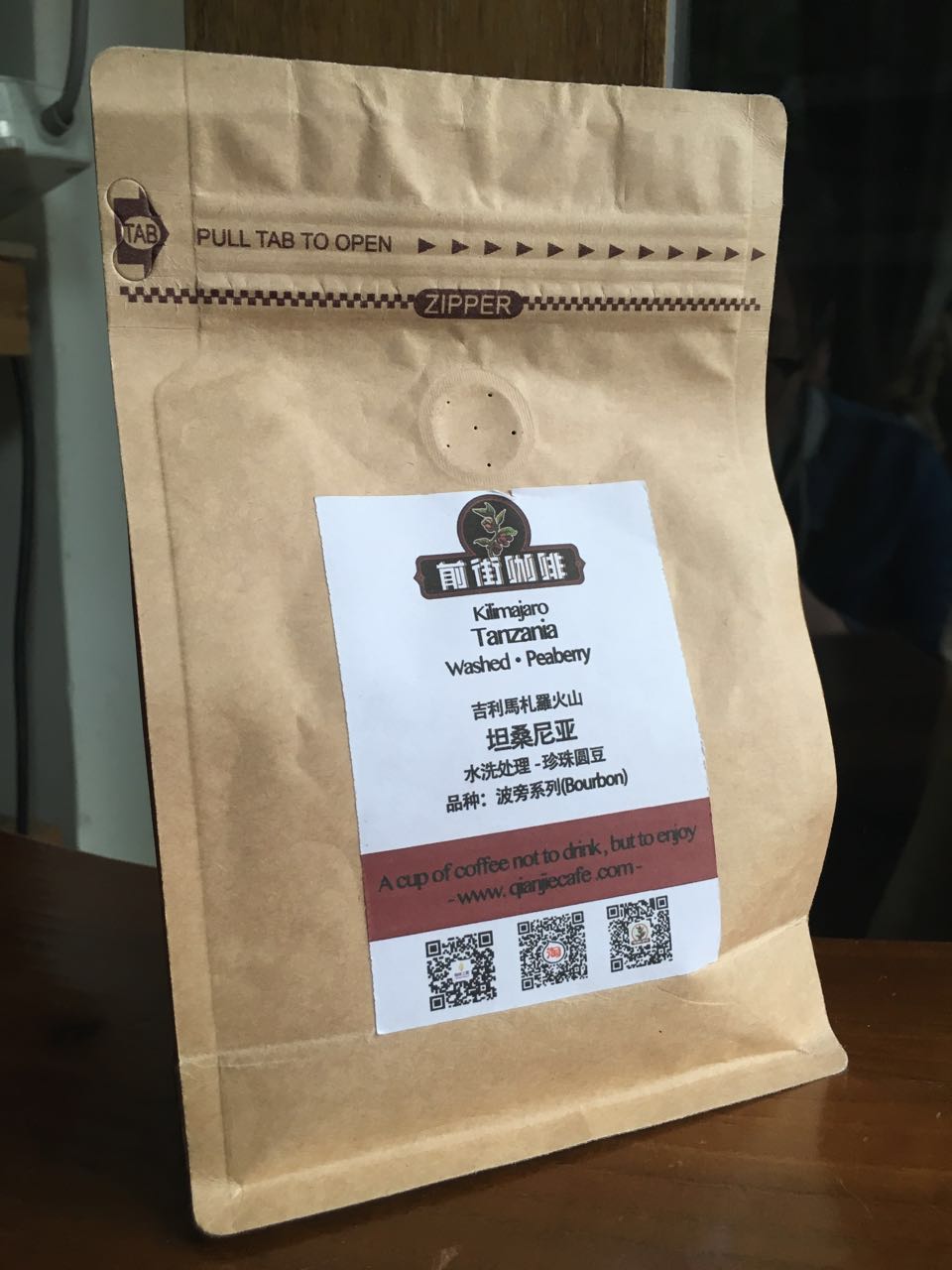
Boutique Kenyan coffee Kenyan coffee beans feature Kenyan coffee taste
It entered Kenya in the 19th century, when Ethiopian coffee drinks were imported into Kenya through southern Yemen. But it was not until the early 20th century that the bourbon was introduced by the St. Austen Mission (St.AustinMission). Kenyan coffee is mostly grown at an altitude of 1500m, 2100m, and is harvested twice a year. To ensure that only ripe berries are picked, people must be in the forest
Introduction to the characteristic manor of Kenyan coffee boutique flavor and taste area
The coastal areas are plains, and most of the rest are plateaus with an average elevation of 1500 meters. The East African Rift Valley, Mount Kenya, the highest peak in Kenya, the eastern branch of Mount Kenya cuts across the north and south of the plateau, dividing the highland into east and west. The bottom of the Great Rift Valley is 450 miles below the plateau and 100 kilometers wide, with lakes of varying depths and many volcanoes standing. The northern part is
Characteristics of Kenyan coffee beans how much is the Kenyan Kenya AA coffee boutique coffee beans per jin
It entered Kenya in the 19th century, when Ethiopian coffee drinks were imported into Kenya through southern Yemen. But it was not until the early 20th century that the bourbon was introduced by the St. Austen Mission (St.AustinMission). Kenyan coffee is mostly grown at an altitude of 1500m, 2100m, and is harvested twice a year. To ensure that only ripe berries are picked, people must be in the forest

Description of Flavor of Coffee beans in Jinchu Valley of Kenya introduction to the planting environment of grinding scale varieties
There are two types of coffee farms in Kenya, one is a large planting farm covering an area of more than five acres, but the average elevation is low, as far as Kenyan coffee is concerned, the quality of coffee beans in the big farm is only medium. The best Kenyan beans come from small farms, most of which are above 5,000 to 6,000 feet.

Flavor and taste characteristics of coffee varieties in Jinchu Valley, Kenya: introduction to high-quality coffee beans
On an international scale, the increase in the number of Kenyan coffee is obvious, with exports of 800000 bags in 1969-1970 and increased to 2 million bags in 1985-1986. The general yield is stable at 1.6 million bags, with an average yield of about 650kg per hectare. Even before coffee prices skyrocketed, the average price of coffee in Kenya had been rising. 1993 Murray-1994 price comparison of 12 months

Introduction of Flavor Flavor Coffee Bean Manor in Kenyan Coffee Variety producing area
Kenya has a total population of 41.8 million (2013), with a population growth rate of 2.7 per cent. There are 42 ethnic groups in the country, including Kikuyu (17%), Lucia (14%), Kalenjin (13%), Luo (10%) and Kangba (10%). In addition, a small number of Indians and Pakistanis, Arabs and Europeans are plains along the coast, and most of the rest are at an average altitude of 1500.

Tanzanian coffee characteristics Tanzanian coffee origin
There are two types of coffee farms in Kenya. One is a large plantation covering more than five acres, but the average elevation is lower. For Kenya coffee, the coffee beans of the large farm are only moderate in quality. The best Kenyan beans are grown on small farms, mostly in the foothills or firehills above five or six thousand feet. Each small farmer can produce only about 20 to 70 bags per season.

Description of Flavor of Coffee beans in Jinchu Valley, Kenya A brief introduction to the planting environment of grinding scale varieties
There are two types of coffee farms in Kenya, one is a large planting farm covering an area of more than five acres, but the average elevation is low, as far as Kenyan coffee is concerned, the quality of coffee beans in the big farm is only medium. The best Kenyan beans come from small farms, most of which are located at 5,000 to 6,000 feet.

Kenya Jinchu Coffee Flavor description, Grinding degree, Taste characteristics, introduction to Fine Coffee
Aromatic, full-bodied, with fruit flavor, taste rich and perfect. Kenyan coffee has a wonderful fruit flavor, tastes like BlackBerry and grapefruit, and is a favorite of many coffee gluttons. This coffee has an excellent medium purity, crisp and refreshing taste. It has a fresh flavor and is most suitable for drinking iced coffee in summer. When tasting this coffee, if paired with grapefruit